Kadalekai Parishe 2025 – Dates, Duration & Story: All You Need to Know
Table of Contents
- Introduction
- What is Kadalekai Parishe?
- The Story Behind Kadalekai Parishe
- When is Kadalekai Parishe 2025?
- How Many Days Is Kadalekai Parishe?
- Where Is It Celebrated — Basavanagudi & Malleshwaram
- What Happens at the Fair — Traditions, Stalls & Food
- 2025 Changes: Five-Day Format & Plastic-Free Initiative
- How to Attend: Tips for Visitors
- Questionnaire — Common Questions Answered
- Conclusion
- Disclaimer
1. Introduction
One of Bengaluru’s most iconic and cherished festivals, Kadalekai Parishe is a vibrant celebration of harvest, tradition, and community spirit. Groundnuts — locally called kadalekai — take centre stage as this annual fair transforms the streets of Basavanagudi and Malleshwaram with stalls, snacks, culture and devotion. In 2025, the festival is returning with renewed fervour and a longer schedule, making it an ideal time for residents and visitors to experience its charm.
In the following sections, readers will learn when Kadalekai Parishe 2025 happens, how many days it lasts, where it is celebrated, what’s behind the tradition, and practical tips for attending — crafted especially for people from across India considering to visit.
2. What is Kadalekai Parishe?
Kadalekai Parishe literally translates to “groundnut fair.” Historically a farmers’ ritual, it has evolved into a massive city-wide festival:
- Farmers bring their first harvested groundnuts to offer to Basavanna (the sacred Nandi bull) at the famed Bull Temple in Basavanagudi, seeking blessings for future crops.
- Over time, the festival expanded — today it features hundreds of vendors selling groundnuts (raw, roasted, boiled, salted), traditional snacks, local toys, clay items, bangles, sweets and more.
- It has become both a religious-cultural event and a festive street fair, beloved by people of all ages.
Thus, Kadalekai Parishe combines devotion, agriculture, culture and commerce — reflecting Bengaluru’s rural heritage even within a modern urban city.
3. The Story Behind Kadalekai Parishe
The origins of Kadalekai Parishe date back several centuries. According to local legend:
- There was once a village around what is now Basavanagudi, where farmers grew groundnut crops. Each year, as the time for harvest approached, a wild bull would enter the fields at night and destroy the crops. This caused heavy losses.
- Desperate for protection, the farmers prayed to the sacred bull (Nandi / Basava). One night, after a chase to catch the rampaging bull, they discovered not the animal but an idol of Nandi on a hillock. Shockingly, the idol seemed to grow in size, and to stop it they had to fix an iron peg on its head.
- Interpreting this as a divine sign, the farmers pledged that each year’s first groundnut harvest would be offered to Basava. A temple was built — now known as the Bull Temple — and the custom continued annually.
- Thus began Kadalekai Parishe — a gesture of gratitude, protection, and faith. Even today, the festival retains this symbolic offering of the first crop.
The name “Parishe” means fair or gathering, making the festival a “groundnut offering fair” — merging religious devotion, agrarian roots, and community celebration.
4. When is Kadalekai Parishe 2025?
In 2025, the festival dates have been officially announced as follows:
- Basavanagudi (Bull Temple area): 17 November to 21 November 2025
- Malleshwaram version of the fair: 8 November to 10 November 2025
Traditionally, the fair is scheduled around the last Monday of the Hindu month of Karthika. In 2025, that corresponds to the dates stated above.
So visitors looking to attend should mark 17–21 November (Basavanagudi) or 8–10 November (Malleshwaram) in their calendars.
5. How Many Days Is Kadalekai Parishe?
Historically, Kadalekai Parishe was a two-day event, often held over the weekend encompassing the Monday offering ritual.
However, as of 2025, the festival has been extended to five days at Basavanagudi to accommodate larger crowds and provide better experience.
The Malleshwaram edition remains a shorter fair — three days (8–10 November 2025).
So for 2025:
- Basavanagudi: 5-day fair (17–21 Nov)
- Malleshwaram: 3-day fair (8–10 Nov)
6. Where Is It Celebrated — Basavanagudi & Malleshwaram
Basavanagudi, Bengaluru
- The original and historic venue near the Bull Temple (Dodda Basavana Gudi) and Dodda Ganapati Temple.
- The main procession, ceremonial groundnut offering, and religious rituals occur here.
Malleshwaram, Bengaluru
- In recent years, the festival has expanded to Malleshwaram, with a separate edition called Malleshwaram Kadalekai Parishe.
- This allows more people from across Bengaluru easier access, especially those in northern or western areas.
This dual-venue approach ensures wider participation and distributes crowd density, while preserving tradition and convenience.
7. What Happens at the Fair — Traditions, Stalls & Food
Kadalekai Parishe offers a vibrant mix of tradition, commerce and culture:
🌰 Groundnut Varieties
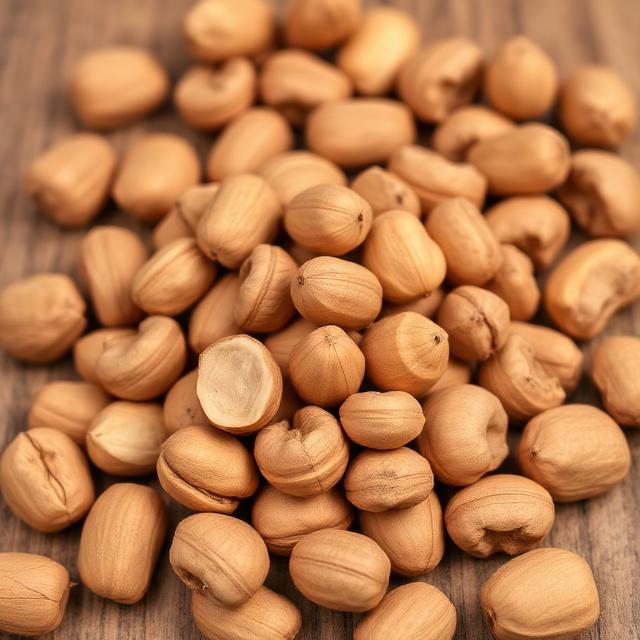
Farmers bring fresh harvests directly — raw, roasted, boiled, salted or spiced. Groundnuts sold in bulk or small packets, sometimes on-the-spot roasting or boiling.
🛍️ Market Stalls & Handicrafts
In addition to nuts, there are stalls selling:
- Bangles, jewellery
- Traditional toys, clay dolls
- Glass/plastic dolls
- Handicrafts, trinkets
- Clothing and accessories
Local artisans and small traders benefit from this seasonal business.
🍲 Street Food & Sweets
Local snacks typical of Bengaluru street culture:
- Bajji, bonda, fried snacks
- Sugar-coated gram (kalyana seve or bendu), coloured candies (batthaas)
- Sodas, soft drinks
- Roasted and flavoured groundnuts for snacking
The aroma of roasting nuts, sizzling bajjis and traditional treats fills the air — drawing crowds after sunset.
🙏 Religious & Cultural Offerings
- Farmers and devotees offer first groundnut yield to Basavanna (Nandi bull) as a gesture of gratitude and prayer.
- Lights, floral decorations, and temple rituals mark the outset each year.
🎶 Cultural Programs & Fair Atmosphere
As of 2025, the fair has expanded to include cultural events — especially in the evenings: music, dance, community gatherings, and a cheerful festival vibe.
8. 2025 Changes: Five-Day Format & Plastic-Free Initiative
The 2025 edition introduces two significant updates:
✅ Five-Day Fair Duration
Rather than the traditional two-day format, the festival has been extended to five days (17–21 Nov, Basavanagudi) for better crowd management and to give more people time to visit.
🌱 Plastic-Free Fair
Organisers and local government agencies announced that no single-use plastic will be allowed. The fair aims to reduce plastic waste — a move applauded by many environmental groups.
These changes reflect growing awareness of sustainability while preserving tradition — a sign of evolving yet respectful festival planning.
9. How to Attend: Tips for Visitors (Especially from Outside Bengaluru)
If planning to visit, especially from another city — keep these tips in mind:
- Best dates: 18–20 November — avoid opening chaos, but still early in fair schedule.
- Reach early or late evening: Crowd peaks after 6 PM; morning or early afternoon offers smoother strolls.
- Use public transport or two-wheelers: Parking is limited; traffic jams near Bull Temple Road are common.
- Carry cloth bags: Help maintain plastic-free environment. Cloth bags, jute bags useful for groundnut purchases.
- Keep cash handy: Many small vendors may prefer cash — though some accept UPI.
- Check weather and wear comfortable clothes: November nights in Bengaluru may be pleasant but crowded lanes and walking demand comfort.
- Respect local customs: If visiting temple for offering — follow traditions. Avoid littering, plastic bags.
These simple practices can help have a smooth and joyful experience.
10. Questionnaire — Common Questions Answered
Q1: When is Kadalekai Parishe 2025?
- Basavanagudi edition: 17–21 November 2025
- Malleshwaram edition: 8–10 November 2025
Q2: How many days does Kadalekai Parishe last?
In 2025, the festival spans five days at Basavanagudi. Malleshwaram’s version lasts three days.
Q3: What is Kadalekai Parishe in Basavanagudi?
It is the traditional groundnut fair centred around the Bull Temple — where farmers offer first harvest of groundnuts to Basavanna, followed by sales, food stalls, cultural fair, and community gathering.
Q4: What is the story of Kadalekai Parishe?
Centuries ago, a bull used to destroy groundnut fields near present-day Basavanagudi. To protect crops, farmers prayed to Nandi (Basava). They discovered a divine Nandi idol, built a temple, and pledged to offer first crop to him annually. The custom evolved into Kadalekai Parishe.
Q5: What happens at the fair?
Apart from offering crops, there are stalls selling groundnuts (various forms), traditional snacks and sweets, handmade toys and goods, food stalls, cultural displays, temple rituals, and a festive atmosphere for families and visitors.
11. Conclusion
Kadalekai Parishe remains one of Bengaluru’s most endearing traditions — a festival that honours agrarian roots, community spirit and local culture even in the middle of a bustling metro city. The 2025 edition promises to be grander than ever, with five full days of fair at Basavanagudi (17–21 Nov) and a special Malleshwaram edition (8–10 Nov). Whether you’re a local resident or visiting from elsewhere in India, this festival offers a unique experience: from fresh groundnuts and street food to vibrant stalls, temple rituals and a sense of community.
By combining history, tradition and modern sensibilities (like the plastic-free initiative), Kadalekai Parishe 2025 is a celebration not just of harvest, but of heritage — a living tradition that continues to evolve with Bengaluru itself.
If planning to attend, check dates carefully, follow practical tips, and embrace the festive spirit with respect for heritage and local customs.
12. Disclaimer
This article is based on publicly available information and media reports about Kadalekai Parishe 2025. Dates, schedule and event details are subject to change by local authorities or organisers. Readers are encouraged to verify from official announcements or local news sources before planning their visit.