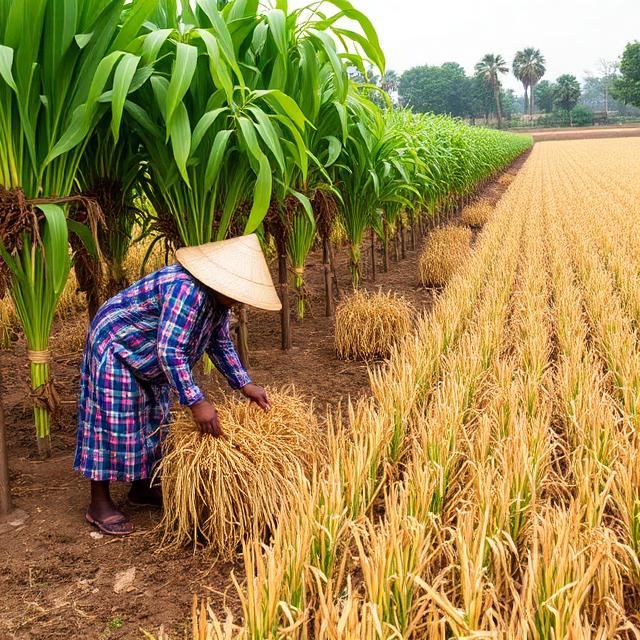
CM Kisan Kalyan Yojana: Eligibility, Benefits, Installment Dates, and Latest Updates
Table of Contents
- Introduction to CM Kisan Kalyan Yojana
- Objective of CM Kisan Kalyan Yojana
- Financial Assistance Provided Under the Scheme
- Who Is Eligible for CM Kisan Kalyan Yojana?
- Documents Required for the Scheme
- How CM Kisan Kalyan Yojana Payments Are Transferred
- CM Kisan Kalyan Yojana Installment Structure
- CM Kisan Kalyan Yojana 14 Kist Kab Aayegi?
- How to Check CM Kisan Kalyan Yojana Payment Status
- Common Reasons for Installment Delay
- Differences Between Central and State Farmer Schemes
- Impact of CM Kisan Kalyan Yojana on Farmers
- Frequently Asked Questions
- Disclaimer
1. Introduction to CM Kisan Kalyan Yojana
CM Kisan Kalyan Yojana is a state-level farmer welfare scheme designed to provide financial assistance to eligible agricultural families. The scheme focuses on strengthening rural livelihoods by offering direct income support to farmers who depend primarily on agriculture for survival. It works as a supplementary support system alongside national farmer schemes.
This initiative is aimed at reducing the financial stress farmers face due to rising cultivation costs, climate risks, and fluctuating market prices.
2. Objective of CM Kisan Kalyan Yojana
The primary objective of CM Kisan Kalyan Yojana is to ensure steady financial support for farmers so that agricultural activities can continue without interruption. The scheme aims to:
- Support small and marginal farmers
- Provide predictable income assistance
- Reduce dependence on informal credit
- Improve agricultural productivity
- Strengthen rural economic stability
3. Financial Assistance Provided Under the Scheme
Under CM Kisan Kalyan Yojana, eligible farmers receive a fixed annual amount directly into their registered bank accounts. The assistance is usually distributed in installments across the financial year to help farmers manage seasonal agricultural expenses such as:
- Seeds and fertilizers
- Irrigation costs
- Crop protection
- Labor expenses
The amount may vary depending on state policy revisions and budget allocations.
4. Who Is Eligible for CM Kisan Kalyan Yojana?
Eligibility criteria generally include:
- Applicant must be a resident farmer of the concerned state
- The farmer should own cultivable agricultural land
- Small and marginal farmers are given priority
- Bank account must be linked with Aadhaar
- The farmer family should not fall under excluded income categories
Institutional landholders and high-income agricultural entities are usually excluded.
5. Documents Required for the Scheme
To receive benefits under CM Kisan Kalyan Yojana, the following documents are typically required:
- Aadhaar card
- Land ownership records
- Bank account details
- Farmer identification documents
- Updated revenue records
Accurate documentation ensures timely installment credit.
6. How CM Kisan Kalyan Yojana Payments Are Transferred
Payments under the scheme are transferred using the Direct Benefit Transfer (DBT) mechanism. This ensures transparency and eliminates intermediaries. Once verified, the installment amount is credited directly to the farmer’s bank account.
DBT helps minimize delays, leakage, and errors in fund distribution.
7. CM Kisan Kalyan Yojana Installment Structure
The total annual assistance is usually divided into multiple installments. These installments are released at fixed intervals during the year, aligned with agricultural seasons.
Each installment helps farmers plan expenses efficiently, especially during sowing and harvesting periods.
8. CM Kisan Kalyan Yojana 14 Kist Kab Aayegi?
The question “CM Kisan Kalyan Yojana 14 kist kab aayegi” is frequently asked by beneficiaries. Installment release depends on:
- Completion of beneficiary verification
- Budget approval by the state government
- Synchronization with DBT systems
Generally, installments are released after the previous payment cycle concludes. The 14th installment is expected to follow the standard release pattern once administrative processes are completed.
Farmers are advised to keep bank and Aadhaar details updated to avoid delays.
9. How to Check CM Kisan Kalyan Yojana Payment Status
Beneficiaries can check payment status through:
- Official state agriculture department portals
- DBT payment tracking platforms
- Local agriculture offices
By entering Aadhaar number or registration details, farmers can view installment status and transaction history.
10. Common Reasons for Installment Delay
Installment delays may occur due to:
- Mismatch in Aadhaar and bank details
- Incomplete land record verification
- Dormant bank accounts
- Technical DBT errors
Regular verification and updates help prevent such issues.
11. Differences Between Central and State Farmer Schemes
While national schemes provide uniform benefits across the country, state schemes like CM Kisan Kalyan Yojana are tailored to regional agricultural needs. State-level schemes often complement central initiatives by providing additional financial support.
This dual approach enhances income stability for farming households.
12. Impact of CM Kisan Kalyan Yojana on Farmers
The scheme has positively influenced:
- Crop planning and productivity
- Reduced dependency on private loans
- Improved rural household cash flow
- Better resilience against crop losses
For many farmers, these installments act as a reliable financial cushion.
13. Frequently Asked Questions
What is CM Kisan Kalyan Yojana?
It is a state-run income support scheme providing direct financial assistance to eligible farmers.
How much amount is given under the scheme?
The amount is fixed annually and released in installments as per state guidelines.
CM Kisan Kalyan Yojana 14 kist kab aayegi?
The installment is released after administrative verification and budget clearance.
Is Aadhaar mandatory?
Yes, Aadhaar-linked bank accounts are required for DBT payments.
14. Disclaimer
This article is for informational purposes only. Scheme details, installment dates, eligibility conditions, and payment schedules may change based on official government notifications. Readers are advised to verify information through official state government or agriculture department sources before taking any action.