Moscato Wine: Origin, Alcohol Percentage, Flavours, Calories & Is It Cheap?
Table of Contents
- Introduction
- What Kind of Wine Is Moscato?
- Origin of Moscato Wine
- Is Moscato a Cheap Wine?
- Is Moscato Strong Alcohol?
- Moscato Wine Alcohol Percentage
- Moscato Wine Calories
- Moscato Wine Colour
- Moscato Wine Flavours & Tasting Notes
- How Moscato Fits in the Indian Market
- Food Pairing & Serving Suggestions for Indian Consumers
- Frequently Asked Questions (Questionnaire Sub‐Headings)
- Final Thoughts
- Disclaimer
1. Introduction
Wine has become increasingly accessible in urban India, and among the many varieties available, Moscato wine holds a special appeal: sweet, aromatic, light, and easy to drink. For Indian consumers—many of whom are newer to wine—Moscato presents an inviting entry point. This article aims to unravel what Moscato wine is, where it originates, how strong it is, its calorie content, flavours and colour, whether it is affordable, and how it can be enjoyed in the Indian context.
2. What Kind of Wine Is Moscato?
Moscato wine is derived from the Muscat family of grapes (also called “Muscat”). These grapes produce wines that are typically aromatic, fruity, often lightly sweet, and in many cases lightly sparkling.
Here are key features:
- It may be still (non-sparkling), semi-sparkling (frizzante) or fully sparkling.
- It is often sweet or semi-sweet, due to residual sugar.
- It tends to be lower in alcohol compared to many dry wines (which suits many new wine drinkers).
Thus, Moscato wine is a light-body, aromatic, sweet (or semi-sweet) wine style, rather than a heavy, tannic or high-alcohol red wine. Its accessibility makes it very suitable for a wide range of drinkers.
3. Origin of Moscato Wine
The roots of Moscato wine trace back to Italy—particularly the Piedmont region (north-western Italy). The famous style is Moscato d’Asti, a lightly sparkling sweet wine from the Asti zone.
According to historical sources:
- The Muscat family of grapes has ancient origins; Moscato bianco (Muscat blanc à Petits Grains) is one of the varieties used.
- In Piedmont, the grape is grown and produces wines with DOCG status (e.g., Moscato d’Asti is rated DOCG).
Therefore, when a consumer in India sees “Moscato wine”, they are engaging with a wine style that is rooted in Italian wine tradition but now produced in many other regions too (USA, Australia, South Africa) under the Moscato label.
4. Is Moscato a Cheap Wine?
The question of whether Moscato is cheap depends on region, brand, vintage and style. Generally:
- Some entry-level Moscato wines are priced affordably, making them good value for casual drinking.
- But premium or imported Moscato wines (especially DOCG Italian ones) may carry higher prices.
- So while Moscato can be among the more affordable wines in many markets, it cannot universally be labelled “cheap”; value depends on context.
In the Indian market, imported wines bear higher distribution costs, duties and taxes; so even “affordable” wines may cost more than in wine-producing countries. Consumers should therefore compare local pricing, brand, and vintage.
5. Is Moscato Strong Alcohol?
No, Moscato is typically not a high-alcohol wine—in many of its classic forms the alcohol by volume (ABV) is modest. For example, the semi-sparkling Moscato d’Asti is often around 5.5% ABV.
However:
- Some still Moscato wines (not the frizzante style) may have higher alcohol levels, closer to typical white wine ABV (~12%).
- Therefore, while Moscato tends toward lower alcohol, it is not universally “weak”.
For an Indian audience, this means that Moscato can be a good choice if one prefers lighter alcohol content, especially in warm climates and social settings.
6. Moscato Wine Alcohol Percentage
Typical ranges:
- For semi-sparkling Moscato d’Asti: approx 5-6% ABV.
- For other still Moscato styles: ABV around 11-13% or more.
Thus, when buying Moscato wine in India, checking the label for ABV is important. If you find ABV at say 5-6%, it means a lighter drink; if ABV is 12%+, it is closer to regular wine strength.
7. Moscato Wine Calories
Calorie content is relevant for health-conscious Indian consumers.
Data indicates:
- A 5-ounce (≈150 ml) serving of Moscato can contain around 100-140 calories, depending on sugar content and ABV.
- Example: A 120 ml serving of a 5.5% ABV Moscato had ~96 calories.
Thus:
- The sweet nature (residual sugar) and alcohol both contribute to calories.
- Compared to stronger wines or spirits, Moscato may seem “lighter”, but the sugar-sweet taste can mask calorie load.
Indian consumers should bear in mind that for a 750 ml bottle, consumption adds up if heavy drinking occurs.
8. Moscato Wine Colour
Moscato is commonly:
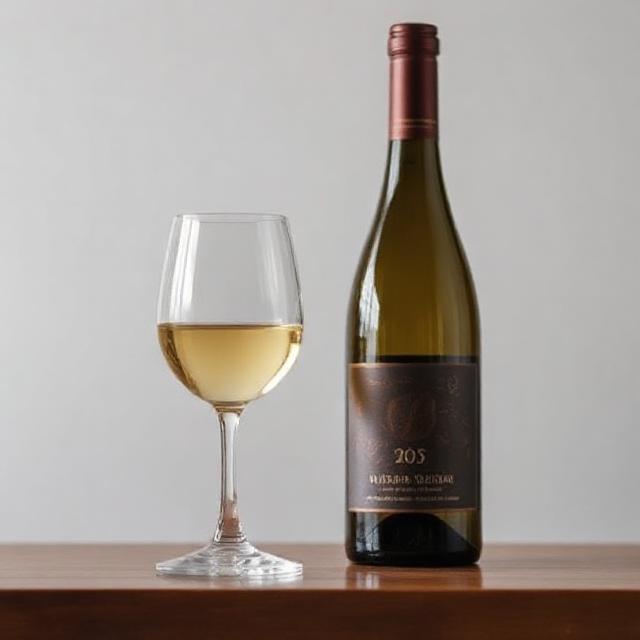
- Pale straw to golden colour in white Moscato versions.
- Pink or rosé versions exist (Pink Moscato) – influenced by other grape varieties or added blends.
- Occasionally red/black Muscat versions produce deeper hues (though less common).
In an Indian retail setting, looking at the bottle colour, clarity, and label style helps identify whether it is the classic white style or a rose/pink style.
9. Moscato Wine Flavours & Tasting Notes
Moscato is very aromatic with distinct flavour profiles which appeal broadly.
Key flavour/tasting notes include:
- Orchard fruits: peaches, pears, apricot.
- Floral aromas: orange blossom, honeysuckle, rose petals.
- Citrus accents, green grapes, tropical notes in some styles.
- Sweetness or semi-sweet balance with gentle acidity.
- For sparkling / semi-sparkling styles: light bubbles, refreshing mouth feel.
Indian consumers may find Moscato especially appealing due to its sweeter profile—complementing dessert dishes or spicy Indian cuisine.
10. How Moscato Fits in the Indian Market
Why it appeals:
- Many Indian consumers prefer sweeter, less tannic drinks; Moscato fits that profile.
- Light alcohol (in many varieties) suits hot climates like India’s, evening dining.
- Aromatic and fruity notes complement Indian desserts and spicy food.
- It offers variety beyond mainstream red/white dry wines.
Considerations:
- Import duties and taxes can raise price.
- Storage and serving at correct temperature (cool 6-10 °C) enhances experience.
- Matching food & drink pairing enhances enjoyment.
11. Food Pairing & Serving Suggestions for Indian Consumers
Pairing suggestions:
- Sweet desserts: kulfi, gulab jamun, fruit custard (Moscato’s sweetness matches well)
- Indian street-food with spice: pani puri, chaat (the sweet-fruit flavour can balance spice)
- Light curries, seafood, grilled paneer. Wine Folly suggests Moscato pairs well with Asian/spicy cuisine.
Serving suggestion:
- Chill the bottle well (especially if sparkling/semi-sparkling)
- Use appropriate wine glass for aroma
- Pour moderate servings – the sweetness means less may be enough
- Avoid mixing with heavy foods; opt for light meals or dessert sessions.
12. Frequently Asked Questions (Questionnaire Sub-Headings)
Q1. What kind of wine is Moscato?
A: Moscato wine is typically a sweet or semi-sweet wine made from Muscat grapes, often aromatic, fruity and sometimes lightly sparkling.
Q2. Is Moscato a cheap wine?
A: It depends. Some Moscato wines are priced affordably and serve as entry-level options. However premium or imported Moscatos may cost significantly more in India.
Q3. Is Moscato strong alcohol?
A: Not usually. Many Moscato wines have lower alcohol levels (around 5-6% ABV) especially the sparkling or semi-sparkling versions. Some still versions may have higher ABV (~11-13%).
Q4. What is the origin of Moscato wine?
A: The origin lies in Italy, particularly the Piedmont region (Asti area). The grape family Muscat is ancient and has been cultivated for many centuries.
Q5. What is the typical alcohol percentage for Moscato?
A: For semi-sparkling Moscato d’Asti: approx 5-6% ABV. For still styles: around 11-13% ABV.
Q6. How many calories are in a glass of Moscato wine?
A: A 150 ml serving may contain around 100-140 calories depending on sugar and ABV. Some specific example: 96 calories for 120 ml of 5.5% ABV Moscato.
Q7. What colour is Moscato wine?
A: Most commonly pale straw or golden for white Moscato. There are also pink or rosé styles. Rarely red/black Muscat versions exist.
Q8. What flavours does Moscato wine offer?
A: Flavours of peach, pear, apricot, orange blossom, honeysuckle, green grapes, citrus and sometimes tropical fruit. Sweetness is typical.
13. Final Thoughts
Moscato wine offers an inviting option for Indian wine drinkers seeking something easy, aromatic and sweet. With origins in Italy but now available worldwide, its lower-alcohol styles, fruity flavours and lighter body make it suitable for relaxed social settings, dessert pairings and casual dining. While it may not carry the complexity of aged red wines or high-end vintages, it excels in its own niche—accessible, enjoyable and versatile.
For Indian consumers, whether new to wine or seeking a lighter option for gatherings, Moscato is a solid choice. Checking label details (ABV, sweetness level, origin) ensures you get the style you prefer. Serving chilled, pairing with suitable food and enjoying in moderation will enhance the experience.
14. Disclaimer
This article is intended for informational purposes only and does not constitute medical or health advice. Alcohol consumption is restricted to individuals who meet legal drinking age in their respective Indian states. Drink responsibly. Availability, import duties and taxes may affect pricing and product availability in India.